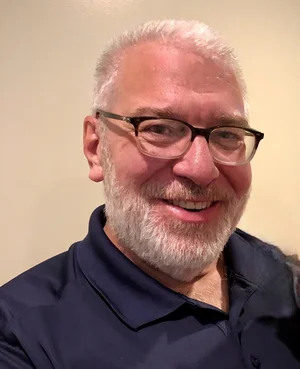
Practicing Medicine in Long-Term Recovery: What 25 Years Have Taught Me
By Dr. Scott M. Brown, PA-C
I’ve been sober since March 19, 2011. I’ve also spent more than 25 years as a physician assistant, including years in emergency medicine and primary care, and today I run rural health clinics that treat substance use disorder as the medical condition it is.
I’m open about my own recovery because I’ve seen, from both sides, how much stigma still shapes the way substance use disorder gets treated — or doesn’t — in healthcare settings. Patients hide their history from providers out of fear of judgment. Providers sometimes carry that same fear about their own struggles, which keeps good clinicians from getting help early. I’ve navigated licensing processes, monitoring programs, and public scrutiny tied to my own history, and I understand firsthand why so many providers stay silent instead.
What changed things for me wasn’t hiding it — it was building a system of accountability and using the experience to build better care for others. That’s the model we use at Hometown Family Medical Centers: addiction treatment integrated into primary care, delivered by people who don’t flinch at a patient’s history, because judgment doesn’t get anyone into remission. Understanding does.